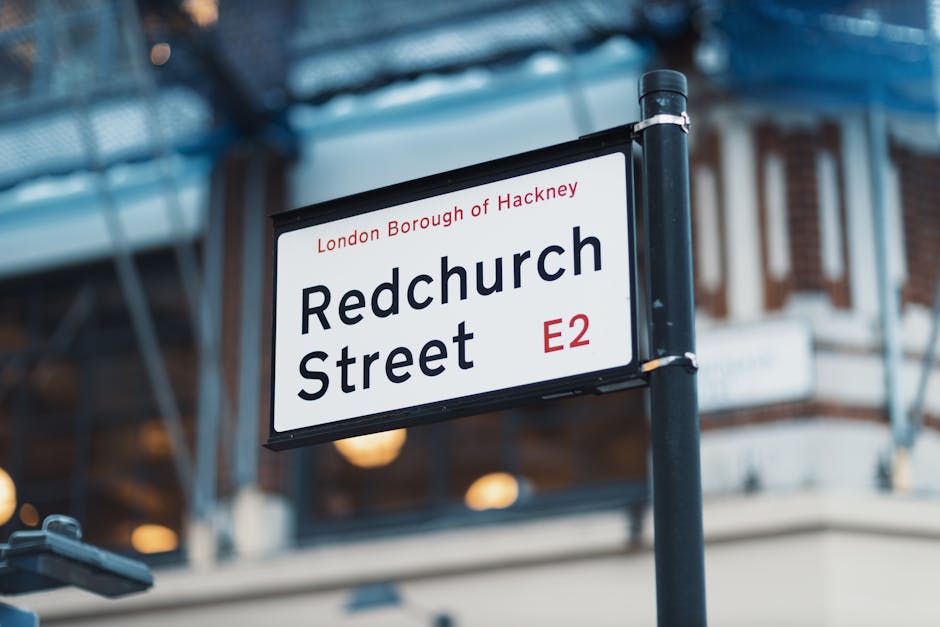
Hackney removals Mare Street to London Fields insider tips
If you're planning a move across Hackney, the route from Mare Street to London Fields can look simple on a map and feel surprisingly fiddly on the day. Busy side streets, school-run traffic, parking constraints, awkward stairwells, and the usual "where did I put the kettle box?" chaos can all pile up fast. This guide to Hackney removals Mare Street to London Fields insider tips is here to make the whole thing calmer, smarter, and a lot less last-minute.
Whether you're moving a studio flat, a family home, a rented maisonette, or a small business setup, the details matter. A good move is rarely about luck. It's usually about timing, packing properly, knowing where the bottlenecks are, and having a plan for the bits that don't fit neatly into one van run. Let's face it, the last 10% of a move is often the part that causes 90% of the stress.
This article breaks down what local movers tend to overlook, how to prepare for a smoother transition, when storage can save the day, and which small choices make the biggest difference. If you want a move that feels organised rather than heroic, you're in the right place.
Table of Contents
- Why Hackney removals Mare Street to London Fields insider tips Matters
- How Hackney removals Mare Street to London Fields insider tips Works
- Key Benefits and Practical Advantages
- Who This Is For and When It Makes Sense
- Step-by-Step Guidance
- Expert Tips for Better Results
- Common Mistakes to Avoid
- Tools, Resources and Recommendations
- Law, Compliance, Standards, or Best Practice
- Options, Methods, or Comparison Table
- Case Study or Real-World Example
- Practical Checklist
- Conclusion
- Frequently Asked Questions
Why Hackney removals Mare Street to London Fields insider tips Matters
This route sits in a part of Hackney that's lively, dense, and constantly in motion. That's part of the appeal, of course, but it also means removals need more thought than a quick "load the van and go" approach. Mare Street is a major local artery, while London Fields has its own mix of residential streets, parkside access points, terraces, and quieter pockets that can still be awkward for larger vehicles.
People often assume a short local move is automatically easier than a longer one. Not always. Short-distance moves can be trickier because the pressure is compressed into a tighter window. You may be doing multiple trips, juggling keys, or moving on a Friday afternoon when everyone else seems to be doing the exact same thing. The smaller the geographic gap, the easier it is to underestimate the logistics.
These insider tips matter because they help you plan for the real world, not the ideal one. A moving day in Hackney can involve tight parking, narrow hallways, top-floor walk-ups, and a lot of "just one more thing" moments. If you prepare for the practical realities early, you save time, money, and a fair bit of emotional energy. And honestly, that counts for a lot.
If you're also thinking about a short buffer between properties, it can be worth looking at short-term storage in South Hackney or broader self storage in South Hackney so the move doesn't have to happen in one exhausting sprint.
How Hackney removals Mare Street to London Fields insider tips Works
The basic idea is simple: break the move into smaller decisions before moving day arrives. The route itself may only take minutes, but the actual process includes surveying access, estimating load size, checking parking options, deciding whether you need storage, and sequencing your packing so the van is used efficiently.
In practical terms, a local move usually works best when you think in three layers:
- Access layer: Can the vehicle stop close enough? Are there stairs, lifts, or narrow doorways?
- Timing layer: What time of day will be least disruptive, and when can you collect or hand over keys?
- Load layer: What needs to move immediately, what can wait, and what should go into storage?
That last point is the one people often miss. Not everything has to go from one address to the other in the same hour. If your sofa arrives before the cleaning is done, or the new place isn't quite ready, moving some items into storage can be a very sensible bridge. For many households, a mix of household storage in South Hackney and flexible moving dates takes a lot of pressure out of the day.
There's also a common Hackney-specific pattern: a move that looks local on paper but crosses several micro-logistical hurdles in practice. A permit issue here, a loading gap there, and suddenly the van is waiting while you're on the phone and the weather's turning. Not ideal. Planning ahead gives you control over those little delays before they become bigger ones.
Key Benefits and Practical Advantages
The main benefit of using local insider knowledge is simple: you reduce avoidable friction. But there are a few more specific gains worth spelling out.
1. Less time wasted on the day. When access, parking, and packing order are sorted beforehand, the move becomes more efficient. That usually means fewer back-and-forth trips, fewer mislaid items, and fewer "oh no" moments at the doorstep.
2. Lower risk of damage. Good packing and sensible lifting arrangements protect furniture, framed items, kitchenware, and electronics. If your bed frame or wardrobe needs dismantling, doing that at the right time is much better than trying to improvise at the pavement.
3. Better decision-making. When you know what can go into storage, what needs immediate access, and what can wait, you're no longer trying to solve everything in one sitting. That clarity helps a lot.
4. Less stress for everyone involved. Movers, family members, flatmates, and even neighbours all benefit when a move runs smoothly. It's just a better atmosphere. Quietly important, that.
5. More flexibility around property handovers. If your move-out and move-in dates don't line up neatly, a storage plan can bridge the gap without panic.
For anyone comparing options, it can help to review the broader services overview and, if budget control matters, the information on pricing and quotes. That way you can see what fits your timeline rather than forcing the move to fit a rigid setup.
Who This Is For and When It Makes Sense
This kind of move is relevant to a lot of people, but especially if you fall into one of these groups:
- Renters between flats: particularly if check-out and check-in dates don't align perfectly.
- Families relocating locally: because children, school runs, and daily routines make timing more sensitive.
- Students and young professionals: often moving smaller loads, but with less room for mistakes.
- Homeowners downsizing or decluttering: where not everything is moving straight away.
- Small businesses: especially if files, stock, or equipment need temporary holding space.
It also makes sense when your move includes awkward items that don't travel neatly. Think bookcases, spare chairs, garden bits, document boxes, or the pile of things you definitely need but cannot carry in one go without regret. A short-term storage plan can be the difference between a calm move and a day that feels like controlled chaos.
If your moving date is fixed but the new place isn't fully ready, take a look at long-term storage in Hackney as well. It's not only for big life changes; sometimes it's just the most practical way to keep things safe until you're settled.
Step-by-Step Guidance
Here's the cleanest way to approach a Mare Street to London Fields move without losing your nerve halfway through.
1. Start with a quick access check
Walk the route outside both properties if you can. Look at the pavement width, doorway clearance, stairs, lift access, and the nearest sensible stopping point for the van. If you're on a busy road, it's worth thinking about how long loading could realistically take. A moving van parked in a poor spot for "just five minutes" can suddenly become a headache. Funny how that happens.
2. Make a room-by-room inventory
Don't aim for perfection. Just list the heavy, fragile, awkward, and high-priority items. That inventory helps you decide whether you need extra boxes, dismantling tools, or a storage split. It also makes quote requests more accurate, which is always useful.
3. Separate your move into now, soon, and later
This is one of the simplest insider tips and one of the most effective. Ask yourself:
- Now: what must be at the new address on day one?
- Soon: what can follow within a few days?
- Later: what can safely go into storage for a while?
That filter helps you avoid overloading the van and makes unpacking far less chaotic.
4. Pack with the destination in mind
Label boxes by room, but also by priority. For example, "kitchen - first day," "bedroom - winter clothes," or "office - documents." If you've ever opened a box and found three chargers, a loaf tin, and no cutlery, you'll know why this matters.
5. Protect the awkward items first
Use the right packing materials for mirrors, artwork, lamps, and furniture edges. If a piece needs disassembly, keep fittings in a clearly labelled bag taped to the item or stored in a dedicated hardware pouch. That tiny step saves a ridiculous amount of time later.
6. Confirm the move-day sequence
Who opens up first? Who checks the old property? Who receives keys? Who handles fragile items? Having a simple sequence avoids those awkward moments where everyone assumes someone else knows what's happening. You know the ones.
7. Build in a buffer
A local move still deserves slack time. A delayed lift, a tricky sofa, or a missed parking slot can easily push things back. Even a small buffer gives you breathing space. Truth be told, that's often the difference between a sensible day and a frazzled one.
Expert Tips for Better Results
These are the bits seasoned movers usually know, but many first-time movers only learn the hard way.
Use storage as a pressure valve. If your move-out date is fixed but the new home is still being prepared, storage is not a failure. It's a smart buffer. For shorter transitions, short-term storage South Hackney can keep things manageable without cluttering the new place immediately.
Don't overfill boxes. This sounds obvious until you're staring at a box of books that feels like a brick. Keep weight sensible. Heavy items go in smaller boxes. Fragile items need room to breathe.
Keep a first-night kit separate. Put the essentials aside: chargers, medication, toiletries, one change of clothes, basic kitchen items, toilet roll, and a kettle if you're the kind of person who can't function without tea. Understandable.
Photograph cable setups before unplugging. TV units, routers, monitors, and speakers often look easy until they aren't. A quick photo saves a lot of fiddling later.
Use furniture storage for larger pieces. If the new place is smaller, or you're waiting on decorators or builders, furniture storage in South Hackney can prevent overcrowding and reduce the risk of damage.
Ask about safety and handling practices. A reputable setup should be able to explain how items are handled and stored. If you're comparing options, the insurance and safety information is worth reading carefully.
Expert summary: The smoothest local moves are rarely the ones with the biggest van or the fastest crew. They're the ones with the clearest plan, the least clutter, and just enough buffer to absorb the little surprises that always appear.
Common Mistakes to Avoid
There are a few mistakes that crop up again and again on local Hackney moves. Avoiding them is half the battle.
- Leaving packing too late. Rushing turns small jobs into big ones. Start earlier than feels necessary.
- Ignoring access restrictions. A van that cannot stop near the property creates stress you do not want.
- Forgetting about parking or loading time. Even a short stop can be difficult on a busy street.
- Not separating essentials. If everything is packed, everything becomes hard to find.
- Underestimating the value of storage. Sometimes storage is the cleanest solution, not an extra complication.
- Mixing fragile and heavy items. That is a recipe for broken crockery and a bad mood.
One of the less obvious mistakes is failing to think about how you'll feel at 7 p.m. after the move. You may be capable of a heroic final push, but do you really want to spend your first evening in the new place searching for a phone charger under a pile of bedding? Probably not.
Tools, Resources and Recommendations
You don't need a mountain of specialist kit, but a few practical tools make a massive difference:
- Strong boxes: ideally in a mix of sizes for books, kitchenware, and mixed items.
- Packing tape and labels: boring, essential, and strangely satisfying when used properly.
- Furniture covers or blankets: useful for preventing scuffs on wood, upholstery, and corners.
- Marker pens: broad, clear, and impossible to misread after a long day.
- Small tool kit: screwdrivers, Allen keys, and tape for dismantling and reassembly.
- Storage paperwork or account details: keep these easy to access if you're using a storage facility.
If you want to prepare properly before the move, it can also help to review the practical pages on about us, payment and security, and client information. Those pages are useful for understanding how a service is structured and what to expect.
For people moving work files, contracts, or archived paperwork, document storage in South Hackney can be a cleaner option than letting boxes of paperwork sprawl across a kitchen floor for weeks on end.
Law, Compliance, Standards, or Best Practice
For a local removal, the key compliance issues are usually practical rather than dramatic, but they still matter. If you are parking a van, blocking access, lifting heavy items, or using shared entrances, you should plan with care and follow the site rules that apply to your building or street. In many Hackney moves, it's also sensible to think about building management requirements, access times, and neighbour considerations.
On the storage side, good practice includes clear terms, sensible item handling, basic safety measures, and transparent information about responsibility and access. If you're storing items for any length of time, read the provider's terms and conditions carefully so you understand what is expected on both sides.
Health and safety matters too. Heavy lifting, trip hazards, and poorly packed loads can cause injuries or damage. A decent process should treat that seriously without making it all sound more complicated than it is. You just want reasonable precautions, clear communication, and no surprises. That's not too much to ask.
Environmental best practice is worth thinking about as well. If you're clearing out the old place, sort what can be reused, donated, recycled, or responsibly disposed of rather than throwing everything into one final panic pile. The recycling and sustainability page is a helpful reminder that a move can be organised and a bit more responsible at the same time.
For anyone with concerns about how a service handles staff welfare, policies, or operating standards, the site's policy pages can provide reassurance. They're not exciting reading, granted, but they do tell you a lot about how carefully a service is run.
Options, Methods, or Comparison Table
There's no single right way to handle a local move from Mare Street to London Fields. The best method depends on how much you own, how flexible your dates are, and whether you need a staging point.
| Approach | Best for | Advantages | Potential downside |
|---|---|---|---|
| Direct same-day move | Small, simple households with fixed key times | Fast, straightforward, fewer touchpoints | Little room for delays or access issues |
| Move with short-term storage | People between dates, decluttering, or renovating | Flexible, less rushed, easier staging | Requires a second handling step |
| Staged move over several trips | Very local moves with lighter loads | Can reduce van size pressure | Time-consuming if poorly planned |
| Business move with document or stock storage | Offices, shops, and home-working setups | Protects files and keeps operations tidy | Needs more admin and clear labelling |
For most people, the most practical option is some version of a staged move. It gives you room to breathe. It also stops the new place turning into a cardboard maze, which is never as charming as it sounds.
Case Study or Real-World Example
Here's a realistic local scenario. A couple move from a Mare Street flat to a place near London Fields. They've got a sofa, a bed frame, two wardrobes, several boxes of books, kitchen items, and a few bits they're not ready to unpack yet. The keys for the new place are available in the afternoon, but the old flat needs to be cleared by early evening.
Instead of trying to force everything through in one go, they split the job:
- Essentials and bedding go first.
- Bulky furniture is dismantled in advance.
- Books and seasonal items are packed into smaller boxes.
- A few non-urgent items go into short-term storage.
On the day, the move feels slower at the start but easier overall. The van is loaded in a more sensible order, the new place stays walkable, and the couple can still find the kettle without a full archaeological dig. Not glamorous, but effective.
That kind of move is a good reminder that efficiency is not just about speed. It's about reducing friction where it actually hurts. If you're preparing something similar, the combination of planning and storage support is often what keeps the day civilized.
Practical Checklist
Use this checklist in the final week before moving day. It's simple on purpose.
- Confirm both addresses, access times, and key collection details.
- Check parking or loading arrangements for the van.
- Measure larger furniture against doorways and stairs.
- Decide what needs storage and what moves immediately.
- Pack a clearly labelled essentials box.
- Protect fragile items with appropriate wrapping.
- Separate screws, fittings, and cables into labelled bags.
- Photograph important furniture or electronics setups before dismantling.
- Keep drinks, snacks, and wipes somewhere easy to reach.
- Review the service details, including how to request a quote if you want a clearer idea of costs and timing.
Quick take: if a move feels too big to handle neatly, don't force it into one day. Use storage, shorten the load, or stage the move in parts. That's not overthinking. That's just good judgement.
Get a free quote today and see how much you can save.
Conclusion
A move from Mare Street to London Fields is short on distance but not necessarily short on decisions. The difference between a stressful day and a manageable one usually comes down to preparation: access checks, realistic packing, a clear move sequence, and the willingness to use storage when it makes life easier.
The best Hackney removals are rarely the fanciest ones. They're the ones that feel calm, measured, and adaptable. If you take away just one thing from these insider tips, let it be this: don't try to make every item behave as if it belongs in the same hour. Some things need to move now. Some things need to wait. A few things need a safe holding place in between.
If you plan carefully, the move becomes less about surviving the day and more about arriving well. And that's a much nicer feeling. One box at a time, you'll get there.
Frequently Asked Questions
What makes a Mare Street to London Fields move tricky?
Even though the distance is short, the area can involve tight access, parking pressure, stairs, and busy streets. Those small obstacles add up quickly if you haven't planned for them.
Do I really need storage for a local Hackney move?
Not always, but storage helps when dates don't align, when you're decluttering, or when the new place isn't ready for everything at once. It often makes a local move feel far less frantic.
How far in advance should I start packing?
Earlier than you think. Start with non-essentials first, then work towards daily items. A staggered approach usually feels much calmer than a late-night packing scramble.
What should go in my essentials box?
Put in chargers, toiletries, medication, toilet roll, a change of clothes, snacks, kettle items, and any documents or keys you need on day one. Keep it separate and clearly marked.
Is short-term storage better than long-term storage for moving?
If you only need help during a transition period, short-term storage is often the more practical fit. If you need a longer buffer while settling, long-term storage may be more appropriate.
How do I stop furniture getting damaged during a move?
Disassemble what you can, wrap corners and fragile surfaces, keep fittings together, and avoid mixing heavy and delicate items. A few minutes of care now can save a lot later.
What if my moving dates don't line up?
That's a common situation. Temporary storage is usually the cleanest solution, especially if you need to vacate one property before the next is fully available.
How do I choose the right storage option?
Think about how long you need it, what you're storing, how often you'll need access, and whether the items are household, furniture, documents, or business stock. The best option depends on your actual use case.
Can I move business items and household items together?
Yes, but keep them clearly separated. Business documents, stock, and equipment should be labelled properly so you don't waste time sorting through mixed boxes later.
What should I check before agreeing to a quote?
Check what's included, how access is handled, what kind of items are being moved or stored, and whether the timing suits your plan. A good quote should feel clear rather than mysterious.
What is the biggest mistake people make on local moves?
Trying to do too much in one go. People often underestimate how long access, packing, and unloading will take. Breaking the move into stages is usually much kinder on your nerves.
Where can I learn more about the service and next steps?
You can review the services overview, read about the team and approach, or head straight to contact if you're ready to ask a question. Simple as that.