South Hackney Storage Recycling and Sustainability
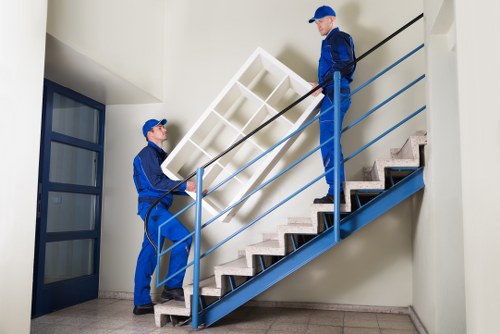 At South Hackney Storage, sustainability is part of how the site works every day. Our approach to storage recycling is built around reducing waste, reusing materials where possible, and making sure non-reusable items are handled responsibly. We aim to support a cleaner local environment through practical action, from careful sorting on site to choosing lower-emission transport options. In line with our internal environmental plan, we are working toward a recycling percentage target of 85% for operational waste by focusing on separation, recovery, and reuse before disposal.
As part of our South Hackney storage sustainability commitment, we look closely at how waste is sorted and sent onward. Local boroughs across East London have increasingly encouraged residents and businesses to separate recyclables from general rubbish, with common streams such as paper, cardboard, plastics, metals, glass, and food waste handled differently. That borough-wide emphasis on separation helps facilities like ours make better recycling decisions and supports higher diversion from landfill.
We also recognise that sustainable storage in South Hackney means more than just recycling bins. It means choosing suppliers, methods, and transport that reduce environmental impact. By keeping materials clean and separated, we improve the likelihood that they can be processed at local transfer stations and reused in the next stage of the waste chain.
 A key part of our process is using local transfer stations that can efficiently receive mixed but separated waste streams for sorting and onward processing. This reduces unnecessary mileage and helps keep the journey from collection to recovery shorter. In practical terms, that means items such as cardboard, shrink wrap, shelving materials, and broken non-hazardous fixtures can be directed into the most appropriate recycling route. For a South Hackney storage facility, proximity matters: short local trips support a lower-carbon waste system and help us maintain better control over what is recycled versus what must be discarded.
Where possible, our team prioritises materials that can be reused before they become waste. Wooden pallets, crates, and packaging materials may be checked for reuse internally or sent to a recycling partner if they cannot be safely used again. We also keep an eye on borough practice around waste separation, because local collection systems often distinguish between dry mixed recyclables and residual waste. Aligning our approach with those expectations improves performance and reduces contamination, which is one of the biggest barriers to effective recycling.
 Our recycling operations also include careful handling of office and operational items. Paper records are destroyed and recycled securely where appropriate, and cardboard from deliveries is flattened for easier recovery. Small amounts of metal, hard plastics, and obsolete fittings are separated so they can enter dedicated material streams. This attention to detail supports a more circular model for storage recycling in South Hackney, where the goal is not simply disposal, but resource recovery and responsible re-entry into the economy.
Another important strand of our sustainability work is our partnership with charities. Rather than disposing of usable goods, we look for opportunities to direct suitable items to charitable organisations that can benefit from furniture, household goods, and other reusable materials. This approach supports community causes while preventing avoidable waste. In some cases, items that no longer serve a purpose in storage can still have value elsewhere, and those partnerships help extend product life in a practical, measurable way.
Charity partnerships are especially valuable when clients clear units and discover items that are still in good condition. As part of a more responsible South Hackney Storage model, usable goods can be assessed for donation, while damaged or end-of-life items are sorted for recycling. This dual pathway — reuse first, recycle second — is central to reducing waste across the site. It also aligns with the wider East London approach, where borough-led waste separation and reuse schemes are helping communities move toward lower landfill dependency.
Environmental performance also extends to transport. We are increasing the use of low-carbon vans for internal movements and local collections, including more fuel-efficient and low-emission vehicles where feasible. These vans help reduce exhaust emissions, especially on short urban journeys between South Hackney, nearby industrial areas, and transfer stations. For a storage and recycling operation in a dense city environment, cutting transport emissions is as important as improving recycling rates, because both affect the site’s overall carbon footprint.
Our fleet strategy focuses on steady progress rather than quick fixes. We assess route efficiency, vehicle load planning, and the mix of journeys to ensure each trip makes the best use of fuel and capacity. By doing this, South Hackney Storage sustainability becomes a measurable operational standard rather than a broad statement. It means fewer empty miles, smarter collections, and less environmental impact from routine activity.
We are also mindful of the types of waste commonly generated in storage environments and how they can be separated correctly. Typical examples include corrugated cardboard, paper, plastic wraps, wooden packaging, and light metals. In areas where borough rules strongly encourage separation at source, this process becomes even more important. Clear segregation helps improve recycling yields, reduces contamination, and supports local waste systems that are designed to recover materials rather than bury them.
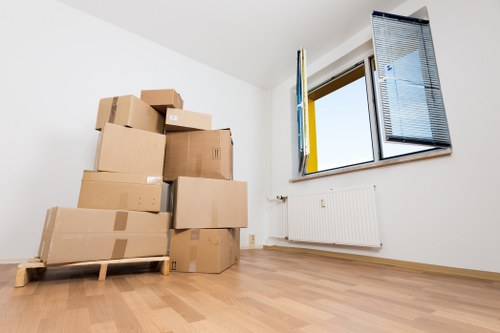 Looking ahead, we continue to refine our recycling practices with the aim of achieving and maintaining our 85% recycling target. That target reflects a commitment to practical action: better sorting, better reuse, better partnerships, and better transport decisions. For us, South Hackney storage recycling is not a side project. It is part of the core service model, helping the business operate responsibly while supporting the wider local effort to reduce waste and conserve resources.
 In the months ahead, we will keep building on these measures by reviewing waste streams, strengthening charity routes for reusable goods, and making continued improvements to our low-carbon van usage. We believe a modern storage business should contribute positively to its area, and that includes playing a responsible role in recycling, recovery, and carbon reduction. Through careful planning and consistent action, South Hackney Storage is committed to a cleaner, more sustainable future for the local community and the wider borough network.